

Organize Your Workspace
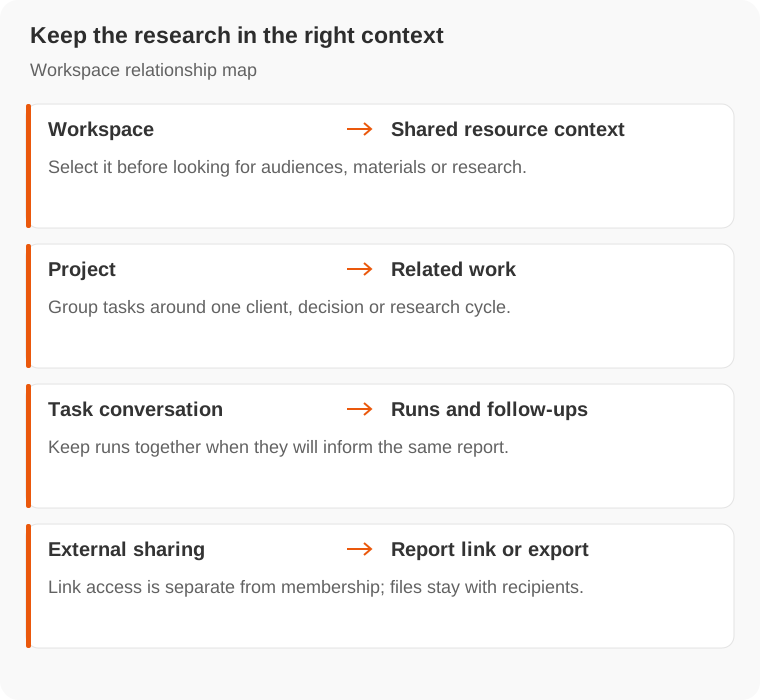
Keep audiences, materials and research in the right workspace and project.
このページの翻訳はまだありません。英語の原文を表示しています。
A workspace contains audiences, research tasks, materials and shared settings. A project organizes work within that space.
Choose the workspace first
Use the workspace selector before creating or looking for a resource. If a saved audience, questionnaire or report appears missing, confirm the workspace before creating another copy.
The sidebar separates New Task, Audience, Library and Usage. The Knowledge Base route remains available, but its sidebar entry is currently hidden. Projects and recent tasks help you return to work. Starting a new task inside a project opens the task composer with that project context.
Organize around the decision
Give tasks and projects names that identify the research goal, client or cycle. Keep related runs in the same task conversation when you intend to inspect them together or create a report over them.
A project is an organizational container. It is not the retired standalone Studio content-check product, and it does not imply that a prediction ledger or external ad integration is available.
Members and settings
Use workspace settings to manage the available collaboration controls. Owners and admins can edit workspace settings; some owner-level actions remain restricted to the owner. Being able to view a resource does not necessarily allow changing settings or approving an individual's tool action.
For shared billing, check the workspace's configured wallet and transaction context. Usage helps distinguish charges from different work.
Sharing beyond the workspace
Use Share and export when distributing findings externally. A public report link is different from workspace membership. Revoke a link when appropriate, and remember that exported files remain with their recipients.