

Materials & Connections
Put each source in the right place: a research task, an audience, or an individual knowledge base.
The right destination depends on what the material should do.
| You have | You want it to do | Use |
|---|---|---|
| Questionnaire, guide, image or concept | Be shown or asked in a research task | Library and the task composer |
| Customer records, survey responses or transcripts | Help construct and ground an audience | Build from data |
| New recordings or survey waves in another system | Keep audience evidence updated | Data connections |
| Product documentation or internal knowledge | Supply background to an individual | Knowledge Base |
| An email or other tool account | Let an individual use a capability | Agent Skills |
Choose the role before uploading
A product brochure describes a product, not the population that buys it. A customer table describes customers, not the stimulus you want to test. A transcript may ground audience understanding without identifying which customer spoke each line.
When combining data, keep identifiers and source labels intact. Review what a source contributes before creating an audience. When testing material, inspect the actual attached version before running.
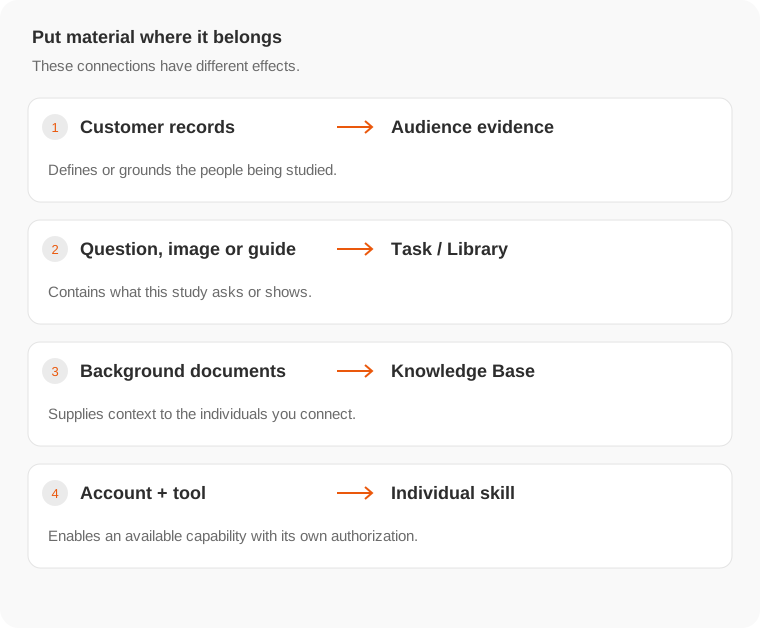
Connections have different effects
Audience data connectors read material for research grounding. Individual skills can call tools and may propose actions. Their permissions, account authorization and confirmation steps belong to different workflows.
Use the connection guide for sync and removal, and Agent Skills for tool activity and approval.